 IPE
the "IRONWOOD" Ipe pronounced (ee-pay) also called Pau Lope, is an
ironwood. So named because of it's IPE
the "IRONWOOD" Ipe pronounced (ee-pay) also called Pau Lope, is an
ironwood. So named because of it's incredible hardness or density. This species comes from central and
South America. Many times harder
than oak or Teak and extremely resistant to rot, decay and insects and even fire, no
other material will outlast Ipe. Ipe is so dense it sinks in water,dark olive brown in color with an oily appearance
and no knots even with no sealer this wood will remain smooth and splinter
free!! Ipe provides less tooth for mildew growth then other materials and is
stain resistant. We have heard it called that special wood, or super wood, or
even just dense wood. Ipe, the exotic ironwood is by far the toughest outdoor
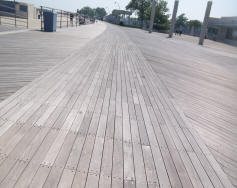
material available. Ipe decking is used in many cool outdoor projects
(see ocean beach boardwalk left)
where durability is the key and research was done to determine what materials
would last best (visit
our blog on Ipe decking sitings).
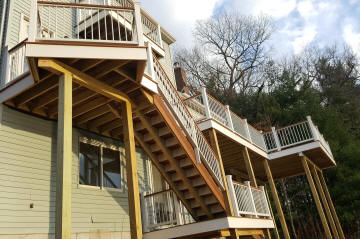
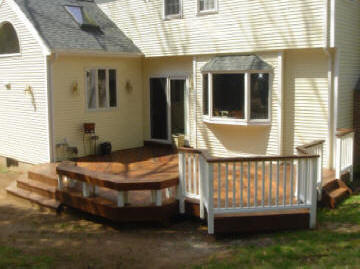
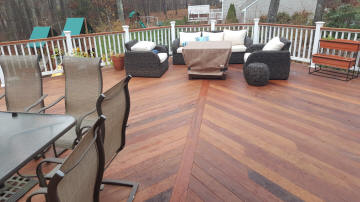
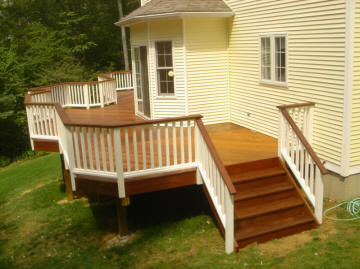
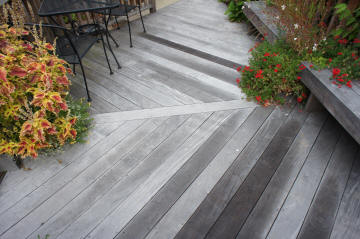
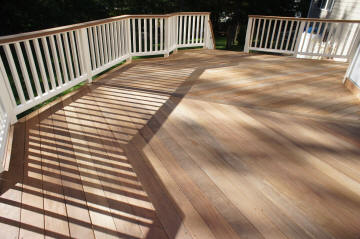
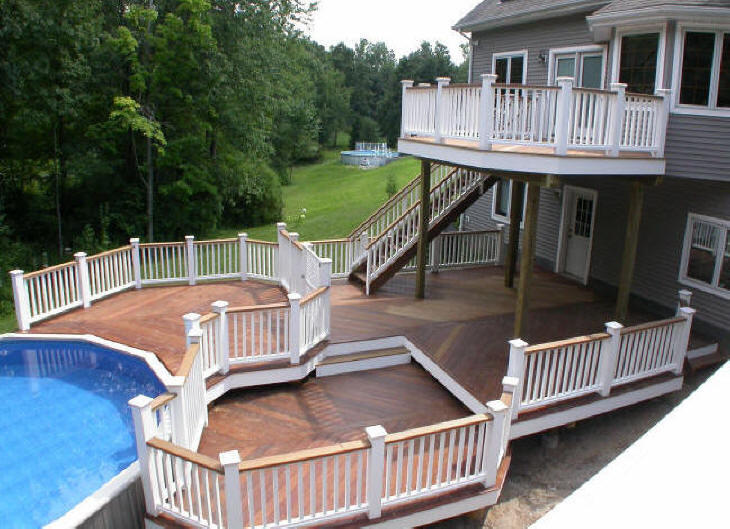
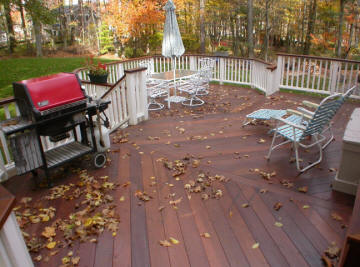
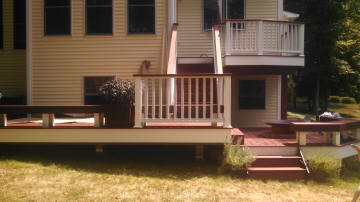
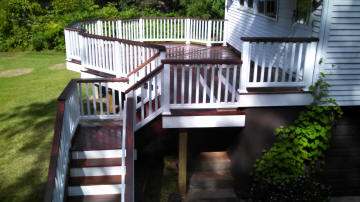
Check out some of our exciting Ipe decks pictured below. incredible hardness or density. This species comes from central and
South America. Many times harder
than oak or Teak and extremely resistant to rot, decay and insects and even fire, no
other material will outlast Ipe. Ipe is so dense it sinks in water,dark olive brown in color with an oily appearance
and no knots even with no sealer this wood will remain smooth and splinter
free!! Ipe provides less tooth for mildew growth then other materials and is
stain resistant. We have heard it called that special wood, or super wood, or
even just dense wood. Ipe, the exotic ironwood is by far the toughest outdoor
material available. Ipe decking is used in many cool outdoor projects
(see ocean beach boardwalk left)
where durability is the key and research was done to determine what materials
would last best (visit
our blog on Ipe decking sitings).
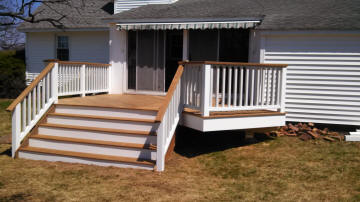
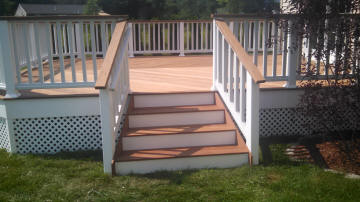
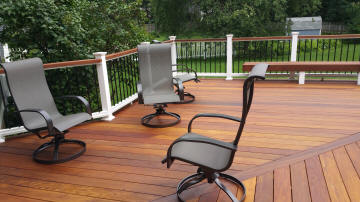
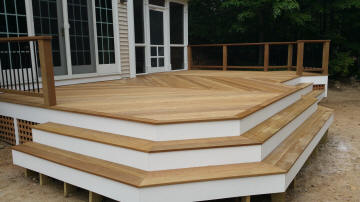
Check out some of our exciting Ipe decks pictured below. |
 |
 |
 |
 |
 |
|
"For the ultimate
outdoor deck material Ipe can not be matched!" |
 |
|
|
Ipe's
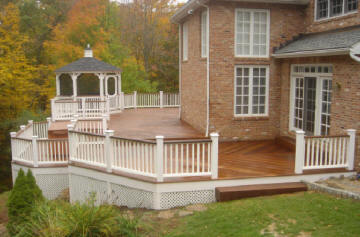
incredibly tight grain makes it impervious to water. Boards have
been in place for 26 years with no signs of decay. Actual fire
rating similar to steel. read our
ipe report
|
 |
 |
|
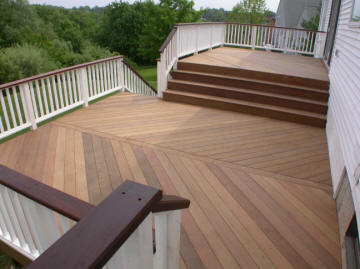
Ever wish you could have a
Teak deck? Now you can have an even better, tougher
deck with Ipe the ironwood, actually twice as dense and durable
as Teak and equally as beautiful!
|

 |
|
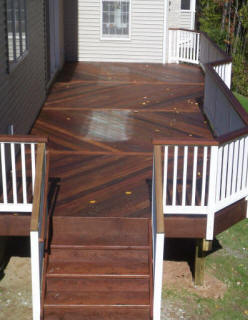
Ipe is considered the ultimate outdoor wood and the best
material for a deck. |
|
We have been working with Ipe decking for many years and developed
proven methods and techniques for working with the incredibly durable wood. Ipe is very difficult to cut, route and fasten because of its
incredible hardness. This makes Ipe decking the most labor intensive
material. Each board must first be end sealed after each cut. Each screw
hole must be counter drilled and pilot drilled before each screw is
applied. Even the shear weight of the material comes into factor.
So inc redibly dense and durable Ipe just does not absorb water to cause
splits and cracks, it is naturally rot and insect resistant, actually
has a fire rating similar to steel, and yet is beautiful and elegant,
Ipe decks are a sight to behold for years to come. ipe is harvested
conservatively as overseen by the forest stewardship council. redibly dense and durable Ipe just does not absorb water to cause
splits and cracks, it is naturally rot and insect resistant, actually
has a fire rating similar to steel, and yet is beautiful and elegant,
Ipe decks are a sight to behold for years to come. ipe is harvested
conservatively as overseen by the forest stewardship council.
|
|
 |
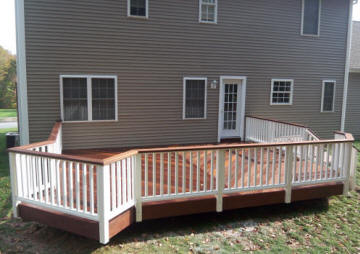 |
| note: white railings are solid vinyl lumber |
goes without saying, but all
our decks are framed with PT #1
treated lumber |
 |
 |
 |
 |
 |
 |
 |
 |